Satsang is a compound Sanskrit word that means “keeping the company of the Self.” The Self, Awareness, is the true nature of everyone and one keeps company with it by continually meditating on it in many ways. One of the most effective methods involves discussing non-dual teachings with someone whose knowledge of his or her identity as Awareness is doubt-free, to get clarity with reference to Self inquiry. The satsangs posted here are answers to the questions of many people around the world who are interested in enlightenment and committed to Vedanta as their preferred means of Self knowledge.
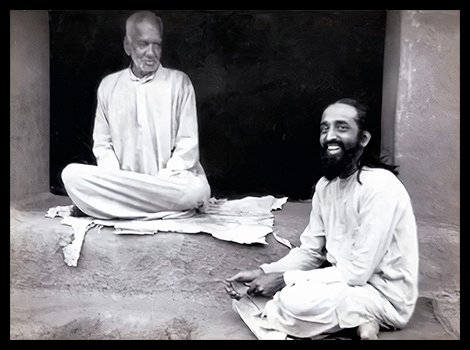
Now that Vedanta is well known in Western spiritual circles, it has become commonplace for unqualified “teachers” to identify with it. A qualified teacher is called a mahatma, someone immersed in the Vedic tradition who has been taught the methodology by someone who has been properly taught in an unbroken chain of teachers, through Shankaracharya, back to the Upanishads, the source texts themselves. My teacher, Swami Chinmaya, seen here with his teacher, Swami Tapovan Maharaj, satisfies this qualification. I have not strayed from the tradition since my introduction to it in 1968 and teach traditional Vedanta, although not in the traditional monastic format.
Sarah:Dear Sundari, thank you for taking time to read this email. I am the inquirer, previously identified as a feminist and had “emotional goggles”...
Question:Do alljivashave a touch of narcissistic personality disorder? Sundari:The short answer: yes! Even self-loathing, low self-esteem or self-abnegation is a form of narcissism, just...
Ed:Dear James, I watched theTrue Natureseminar and got the explanation of the section of theGuru Parampara,which I now chant daily. My partner and I...
Kumari:Namaste,Priya Ramji. Would you have time to check if the following statements convey an accurate understanding? Is it true to say that “my” existence,...
James:This is asatsangwith a self-realized person who is in the final stages ofnididhyasana. His self-knowledge is firm, but there are a few lingering questions....
Projection and denial aren’t really “thinking” as we understand the word, because you are usually aware of your thoughts. These twin forces come from...