September 25, 2019
Questioner:Dear Ramji, I came across the following statement in an blog about the importance of God-knowledge. It said, “Using the simple logic of inference,...
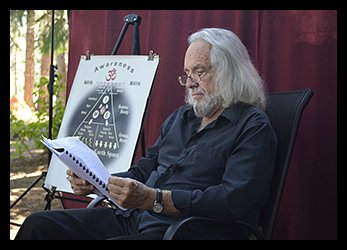
Satsang is a compound Sanskrit word that means “keeping the company of the Self.” The Self, Awareness, is the true nature of everyone and one keeps company with it by continually meditating on it in many ways. One of the most effective methods involves discussing non-dual teachings with someone whose knowledge of his or her identity as Awareness is doubt-free, to get clarity with reference to Self inquiry. The satsangs posted here are answers to the questions of many people around the world who are interested in enlightenment and committed to Vedanta as their preferred means of Self knowledge.
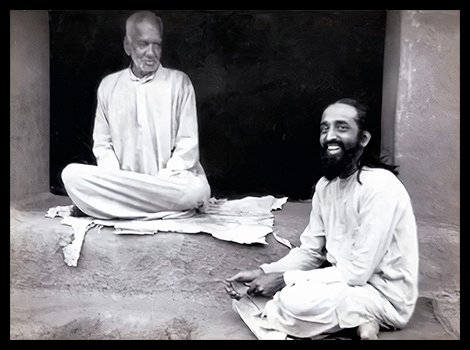
Now that Vedanta is well known in Western spiritual circles, it has become commonplace for unqualified “teachers” to identify with it. A qualified teacher is called a mahatma, someone immersed in the Vedic tradition who has been taught the methodology by someone who has been properly taught in an unbroken chain of teachers, through Shankaracharya, back to the Upanishads, the source texts themselves. My teacher, Swami Chinmaya, seen here with his teacher, Swami Tapovan Maharaj, satisfies this qualification. I have not strayed from the tradition since my introduction to it in 1968 and teach traditional Vedanta, although not in the traditional monastic format.
Questioner:Dear Ramji, I came across the following statement in an blog about the importance of God-knowledge. It said, “Using the simple logic of inference,...
Conrad:Hey, Ramji! I have been wanting to Skype you lately and would love to make a donation but I am pretty low on funds....
Questioner:Dear James, I know I said I wouldn’t email again but bear with me, this is different, so here goes. When I was 17...
Dirk:James, in mysadhanaI sometimes struggle with inconsistency, which makes me annoyed (afterwards). The reason for the annoyance usually has to do with a lack...
Questioner:Hi, James. Could you please clarify this statement by Rupert Spira on his enlightenment? Awareness is self-aware, and realization takes place in the subtle...
Peter:Hi, James; hi, Sundari. Thanks for the teaching. I haven’t finished the beginner’s course and answered the questions step-by-step but I have read four...
(James:Note: The Sanskrit wordahamkarais a technical term that refers variously to the person one believes oneself to be. Sometimes it is called the ego,...
Ted:Greetings, James. I know, no small talk so I do have a question that has arisen lately from reading your bookHow to Attain Enlightenmentthat...
Gary:Dear James, your advice means everything to me. I am lost withoutIsvara. Today in my morning meditation I read in Swami Dayananda’sHome Study Course,Chapter...
James:Dear Terry, both Stan and Sundari have shared their experience of talking to you and both came to a dead end. I read most...
Jack:“To see everything and everyone in terms of the Self is an experience – to see no difference between subject and object, knower and...
Mark:What I mean by my last email is that I sure as hell I have the all emotions kicking in in an endless chain....
Dick:I have an area of enquiry that persists and really appreciate any advice you may give. Regularly as I go to sleep, I sometimes...
Finder:Dear Ramji, I want to write to you about how everything is going for this individual. There is no “issue” I bring, just joy...
Vedanta is a three-stage process. You have to go through all three stages if you want to be radiantly happy. If you skip a...