January 19, 2020
Karl:From my own experience, Vedanta attracts people who enjoy hiding behind the intellectual understanding and do not want to do the hard work of...
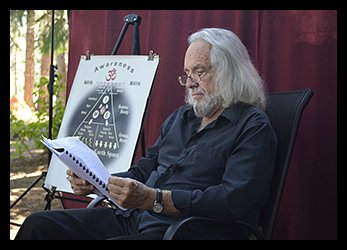
Satsang is a compound Sanskrit word that means “keeping the company of the Self.” The Self, Awareness, is the true nature of everyone and one keeps company with it by continually meditating on it in many ways. One of the most effective methods involves discussing non-dual teachings with someone whose knowledge of his or her identity as Awareness is doubt-free, to get clarity with reference to Self inquiry. The satsangs posted here are answers to the questions of many people around the world who are interested in enlightenment and committed to Vedanta as their preferred means of Self knowledge.
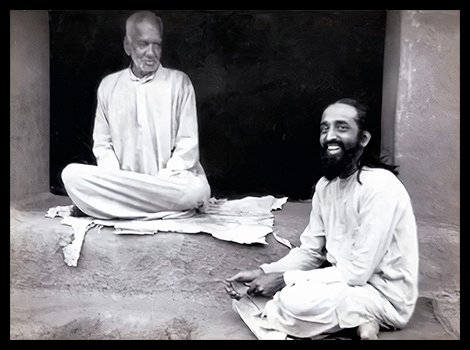
Now that Vedanta is well known in Western spiritual circles, it has become commonplace for unqualified “teachers” to identify with it. A qualified teacher is called a mahatma, someone immersed in the Vedic tradition who has been taught the methodology by someone who has been properly taught in an unbroken chain of teachers, through Shankaracharya, back to the Upanishads, the source texts themselves. My teacher, Swami Chinmaya, seen here with his teacher, Swami Tapovan Maharaj, satisfies this qualification. I have not strayed from the tradition since my introduction to it in 1968 and teach traditional Vedanta, although not in the traditional monastic format.
Karl:From my own experience, Vedanta attracts people who enjoy hiding behind the intellectual understanding and do not want to do the hard work of...
Seeker:Dear Ramji, I’m afraid I was not straightforward with you in my email. It took a lot of years, but I’m totally convinced the...
Marian:Regardingsatya-mithyadiscrimination and thought management – it’s all clear. The difficulty I find, however, I think, is that there seems to be a dyad or...
Marian:So, when you say, “…not realizing that everything comes from and belongs toIsvara,” you meanIsvara2 (ultimately the Self)? Sundari:Yes. Marian:Because thejivais the Self all...
Sundari:When we get past therajasof our earlier decades, with the desires and drives that are typically associated with it, we can count ourselves very...
Sundari:The qualifications for Self-inquiry are non-negotiable if freedom from the limited and suffering egoic “small” self is to obtain. The ego is that part...
Michael:I am curious whether the experiential bliss that you explained to me is the same as or related to the (akandhakara) thought of limitlessness?...
Sandy:If we have three bodies, which one experiences physical suffering or is it all three? I have a chronic health condition and live with...
Jeremy:Ramji, this is the strange thing, I guess I have to admit. I can discern the thoughts and emotions, perception and body. But I...
Jason:Ramji, you are right. I have been successful at discriminating thought and emotion as not-self. But the discrimination of the doer/enjoyer has eluded me...
Grant:Ever since I read and contemplated the meaning ofIsvarawhich you had kindly offered me as written satsang some years ago, it’s been a deepening...
Kate:Of the qualifications,samadhanamis the most challenging qualification and what trips me up the most. Can you explain exactly why and what it entails? Sundari:Samadhanamis...
DK:Ma’am, do you agree with this forward? “You all have so many desires. What do the desires say? ‘Fulfill me and you will get...
James:Dear Terry, sorry I was a little hard on you. I’m not giving up on you. However, our relationship should give me as much...
Mike:Good morning, Ramji. Just a quick note to let you know I think I have made some headway in dealing with the incessant idea...