December 6, 2018
Charlie:Dear Ramji, the teachings these past days have had a powerful effect, and I wanted to share something that happened this morning while out...

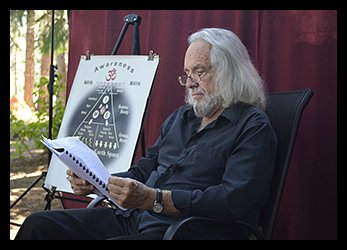
Satsang is a compound Sanskrit word that means “keeping the company of the Self.” The Self, Awareness, is the true nature of everyone and one keeps company with it by continually meditating on it in many ways. One of the most effective methods involves discussing non-dual teachings with someone whose knowledge of his or her identity as Awareness is doubt-free, to get clarity with reference to Self inquiry. The satsangs posted here are answers to the questions of many people around the world who are interested in enlightenment and committed to Vedanta as their preferred means of Self knowledge.
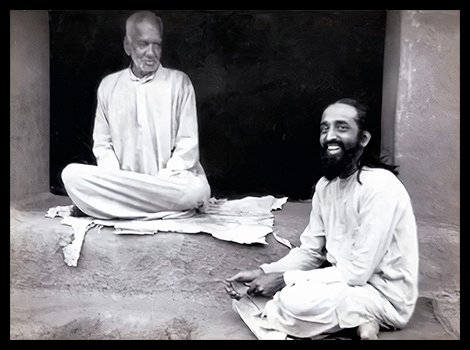
Now that Vedanta is well known in Western spiritual circles, it has become commonplace for unqualified “teachers” to identify with it. A qualified teacher is called a mahatma, someone immersed in the Vedic tradition who has been taught the methodology by someone who has been properly taught in an unbroken chain of teachers, through Shankaracharya, back to the Upanishads, the source texts themselves. My teacher, Swami Chinmaya, seen here with his teacher, Swami Tapovan Maharaj, satisfies this qualification. I have not strayed from the tradition since my introduction to it in 1968 and teach traditional Vedanta, although not in the traditional monastic format.
Charlie:Dear Ramji, the teachings these past days have had a powerful effect, and I wanted to share something that happened this morning while out...
Seeker:Dear James, a Vedanta question here. First a statement, then the inquiry. Vedanta is very simple. It talks about everything under the sun –karma,...
Seeker:Dear James, in one of your videos you state that ajivahas no memories of past life. I have had experience of regression and have...
ATamasicDecision Seeker:By the way, James, was it asattvicdecision to take up debt to buy a house in a foreign country at your age? I...
Mary:Dear James, I was just reading a detective novel and feeling rotten on account of certain rubbishvasanas,which I know is not spiritually correct, so...
Note:This email is part of a much longer ongoingsatsangthat will be posted presently, which evolved when an inquirer experienced problems with her teacher. Karen:Hi,...
Note:Thissatsangwith a friend of thirty-five years covering many of Vedanta’s basic points is certainly suitable for those who are new to Vedanta as well...
Ramji:Hi, Rupert. I love your letters. You’re obviously right on track so I won’t pontificate, just comment here and there. Rupert:Greetings from the frozen...
Seeker:Hi, James. I have bought and read several of your books, and have studied your website extensively. I have found the information very helpful...
Karl:Hi, Ramji, how are you? How’s the Vedanta world looking? Ramji:If it gets any better I don’t know how I will stand it! Karl:The...
Anna:In recentsatsangs,I heard Ramji saying that goodkarmadepends on badkarma. I understand the concept ofkarma,good or badkarma,the concept of likes and dislikes but I don’t...
Joe:Is there a site that list all Advaita teachers? And their lineage? There are so many teachers of Hindu tradition that I am kind...
John:There are so many perspectives on reincarnation, and I’ve always wondered about it. Upon realization I saw that I was not any of my...
Tess:I have been thinking today – if I try to find my happiness in objects/experiences, etc. and I refrain from acting upon it, should...
Tess:Today I heard James say that when awareness shines on something, the energies start spinning on this reflection, making things happen. I can understand...