January 9, 2019
Jay:Dear James Ramji, I was just listening to asatsangby Sundari on YouTube aboutgunamanagement. I feel happy that you and Sundari are out in the...

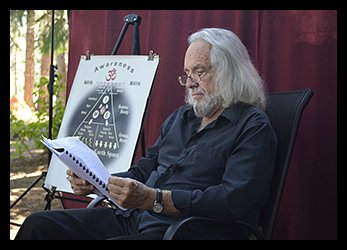
Satsang is a compound Sanskrit word that means “keeping the company of the Self.” The Self, Awareness, is the true nature of everyone and one keeps company with it by continually meditating on it in many ways. One of the most effective methods involves discussing non-dual teachings with someone whose knowledge of his or her identity as Awareness is doubt-free, to get clarity with reference to Self inquiry. The satsangs posted here are answers to the questions of many people around the world who are interested in enlightenment and committed to Vedanta as their preferred means of Self knowledge.
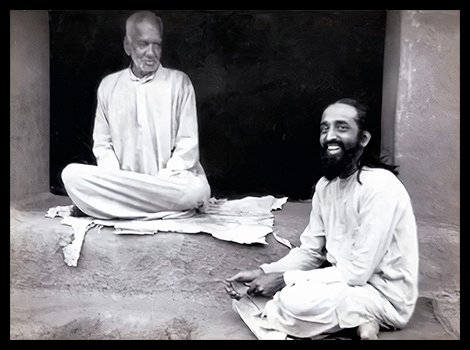
Now that Vedanta is well known in Western spiritual circles, it has become commonplace for unqualified “teachers” to identify with it. A qualified teacher is called a mahatma, someone immersed in the Vedic tradition who has been taught the methodology by someone who has been properly taught in an unbroken chain of teachers, through Shankaracharya, back to the Upanishads, the source texts themselves. My teacher, Swami Chinmaya, seen here with his teacher, Swami Tapovan Maharaj, satisfies this qualification. I have not strayed from the tradition since my introduction to it in 1968 and teach traditional Vedanta, although not in the traditional monastic format.
Jay:Dear James Ramji, I was just listening to asatsangby Sundari on YouTube aboutgunamanagement. I feel happy that you and Sundari are out in the...
Ken:Dear James, I’ve been studying under you through books, videos and onesatsangyou gave in Portland, Oregon, a couple of years ago. As far as...
Mary:I read your email carefully again. Do you mean the doubt whether it is myvasanaprojecting or my teacher’svasana,not the projection itself? But is that...
Maja:Dear James and Sundari, thanks for the January newsletter, where I can read about your new home in Spain and that you are well...
John:So, Ramji, I am in the midst of moving my residence and office, paying off my debts, winding down my divorce properly and keeping...
Seeker:I searched a few times thesatsangfacility on the website for references toA Course in Miracleswithout any luck. Maybe I wasn’t looking properly, because I’m...
James:I agree that suspicion about spiritual teachers is totally warranted. The answer to your question is no. Swami Chinmayananda authorized me to teach. Assuming...
Ashkay:I am not able to sink attention in source. I don’t understand what is Self. What is “remain as the Self”? More than 10...
Jeff:Since I’m part of the total, then isIsvara“rooting” for me, maybe guiding me if it’s within mydharma? Or isIsvaratotally indifferent to whether or not...
Jeff:Another point of interest for me that I want to mention is the fact that I understand what James means when he goes to...
Gisella:I have been really vigilant since the teachings on thegunaslast year, doing thekarma yoga,and it has made a big difference to understand howrajasicI can...
Isaac:Dear Sundari, thank you for the kind words and encouragement. I must agree that this is the teaching to end all teachings and that...
Marco:Hello, Sundari. Thanks very much! I’m glad to hear that, just like Vedanta in a sense, painful for the ego, but so worth it!...
Ted:My mind was about to explode caught betweensatya-mithyaconcept. Finally,Isvarathrough your teachings cleared all the misconceptions. I have stopped seeking. Peskyvasanasdo not affect me. I...
Gregory:A question: When I read points eight to 10 on page 247 ofInquiry into Existence,do I fail to understand the difference between anupadhiand avivarta...